

Uganda is set to expand its cultural tourism footprint as the Karamoja Museum and Cultural Centre in Moroto District nears completion, with officials confirming the project is now over 85 percent complete.
A team from the Uganda Media Centre commended the progress of the facility during a recent inspection, describing it as a key milestone in preserving the heritage of the Karamoja sub-region.
The museum, located at the foot of Mount Moroto, is being developed under the Ministry of Tourism, Wildlife and Antiquities and will become the first museum in the region.
Officials say the centre will showcase the cultural identity of the Karamojong people through a wide range of collections.
The facility will house archaeological, ethnographic, and natural history exhibits, including traditional tools, artefacts, and fossils.
It will also highlight key aspects of Karamojong life such as cattle keeping and warrior traditions.
The project is being implemented by Advanta Uganda Limited, which has entered the final phase of construction focused on interior and exterior finishes.
The museum’s design incorporates elements of the traditional manyatta architectural style, combining cultural authenticity with modern building standards.
Once operational, the centre is expected to strengthen cultural preservation efforts while attracting both domestic and international tourists.
Government officials say the project aligns with broader efforts to position Karamoja as a key tourism destination in Uganda.
The development also aims to generate revenue and create opportunities for local communities through increased visitor numbers.
Karamoja Museum Construction Reaches Final Stages, to Attract Global Tourists
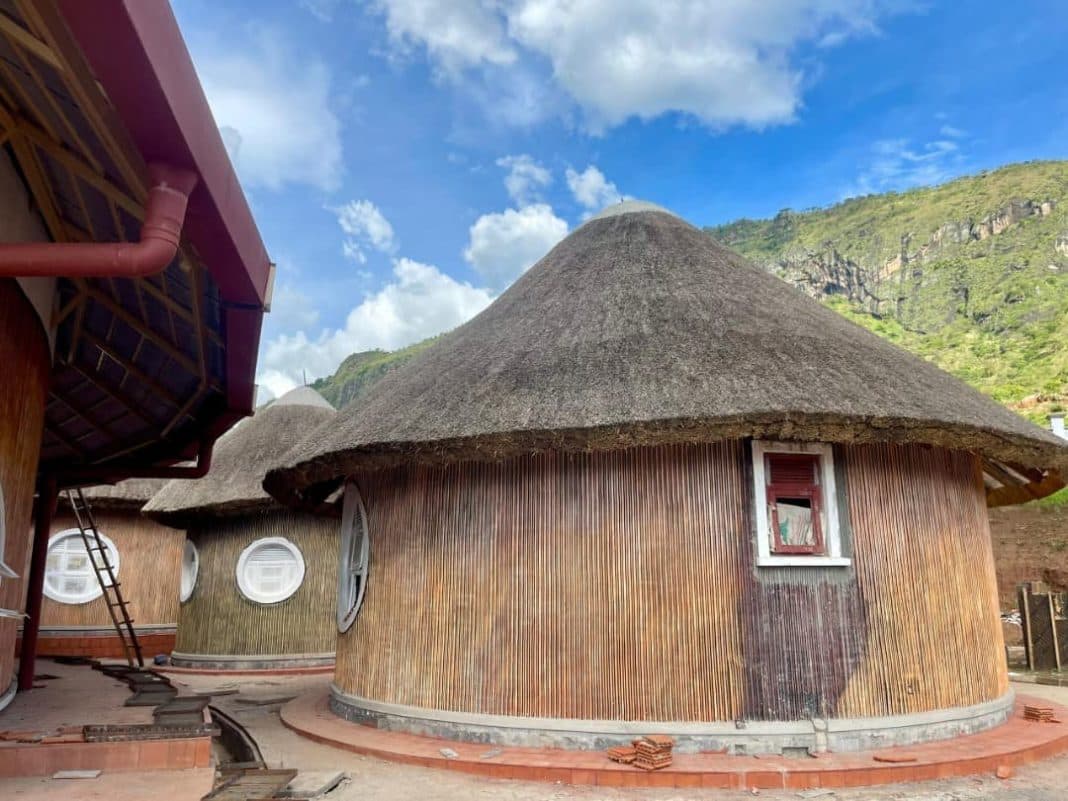
The Karamoja Museum and Cultural Centre in Moroto is nearing completion.
Photo: CourtesyThe Karamoja Museum and Cultural Centre in Moroto is nearing completion, with officials saying the facility will preserve Karamojong heritage and boost tourism in the region.
Advertisement
A
Andrew Matege
Author
Advertisement